
Oregon is one of the most geographically diverse states in the American West, stretching from the Pacific Coast to high desert plateaus, volcanic peaks, and the dramatic Columbia River Gorge. Whether you're road-tripping along Highway 101, catching a Shakespeare festival in Ashland, or using Medford as a Southern Oregon base, where you stay shapes the entire trip. This guide covers 6 hotels across Oregon's key regions - with real comparisons to help you book smarter.
What It's Like Staying in Oregon
Oregon rewards travelers who plan ahead: distances between major destinations are significant, and driving is essentially mandatory outside of Portland. The state draws a mix of outdoor adventurers, wine-country visitors, and festival-goers, meaning crowd patterns vary sharply by region - the Columbia Gorge gets packed in summer, while Central Oregon's high desert sees lighter traffic through fall. Coastal and mountain accommodations tend to fill up around 6 weeks before peak weekends, so early booking matters more here than in most states.
Pros:
- Stunning natural variety within a single road trip - volcanoes, gorges, forest, and coast within a few hours of each other
- Smaller cities like Ashland, Hood River, and Prineville offer genuine local character without big-city pricing
- Most hotels include free parking, which is practical given how car-dependent travel is across the state
Cons:
- No major public transport between cities - a car is non-negotiable for most itineraries
- Weather in western Oregon can be wet and unpredictable from October through March, affecting outdoor plans
- Popular routes like the Columbia Gorge Highway get heavily congested on summer weekends with limited accommodation alternatives nearby
Why Choose These Hotels in Oregon
The hotels in this guide span Oregon's most traveler-relevant regions - from the Shakespeare-festival town of Ashland in the south to Hood River's windsurfing and gorge access in the north. Most properties fall in the 3-star category, which in Oregon typically means solid amenities like indoor pools, free breakfast, and reliable Wi-Fi without the premium pricing of boutique resorts. Free parking is nearly universal at these properties, a practical advantage given that renting a car in Oregon costs around $60 per day on average. Unlike Portland's urban hotel market, these regional properties tend to offer significantly more space per dollar, with suites and family rooms at rates that wouldn't buy a basic room in the city.
Pros:
- Most properties include daily breakfast, reducing daily travel costs meaningfully on multi-night stays
- Properties are positioned near key Oregon attractions - wineries, national forests, Shakespeare venues, and river recreation
- Indoor pools and fitness centers are common even at mid-range price points, valuable given Oregon's unpredictable weather
Cons:
- These hotels are spread across the state, so you'll need to choose based on your specific itinerary - no single property covers all Oregon highlights
- Seasonal outdoor pools at some properties are unavailable outside summer months
- Smaller towns like La Pine and Prineville have limited dining and nightlife options within walking distance
Practical Booking & Area Strategy in Oregon
Oregon's geography means your hotel location directly determines what you can realistically do each day. Hood River is one of the strongest bases in the state - it sits at the heart of the Columbia River Gorge, offers easy access to Mount Hood, and connects directly to wine country on both the Oregon and Washington sides of the river. Ashland, in southern Oregon, is a self-contained destination best booked around the Oregon Shakespeare Festival season, which runs from February through October, when availability drops sharply. For travelers heading into Central Oregon, Bend is the regional hub, but properties in Prineville (about 48 km east) and La Pine (around 45 km south) offer quieter surroundings with faster access to Newberry Volcano and the Ochoco National Forest. Medford, positioned off Interstate 5, works well as a southern gateway for travelers moving between California and Oregon or visiting Jacksonville and Crater Lake.
Best Value Stays in Oregon
These properties deliver strong practical value across Oregon's Central, Southern, and Gorge regions - each positioned near key attractions with solid included amenities that reduce daily travel costs.
-
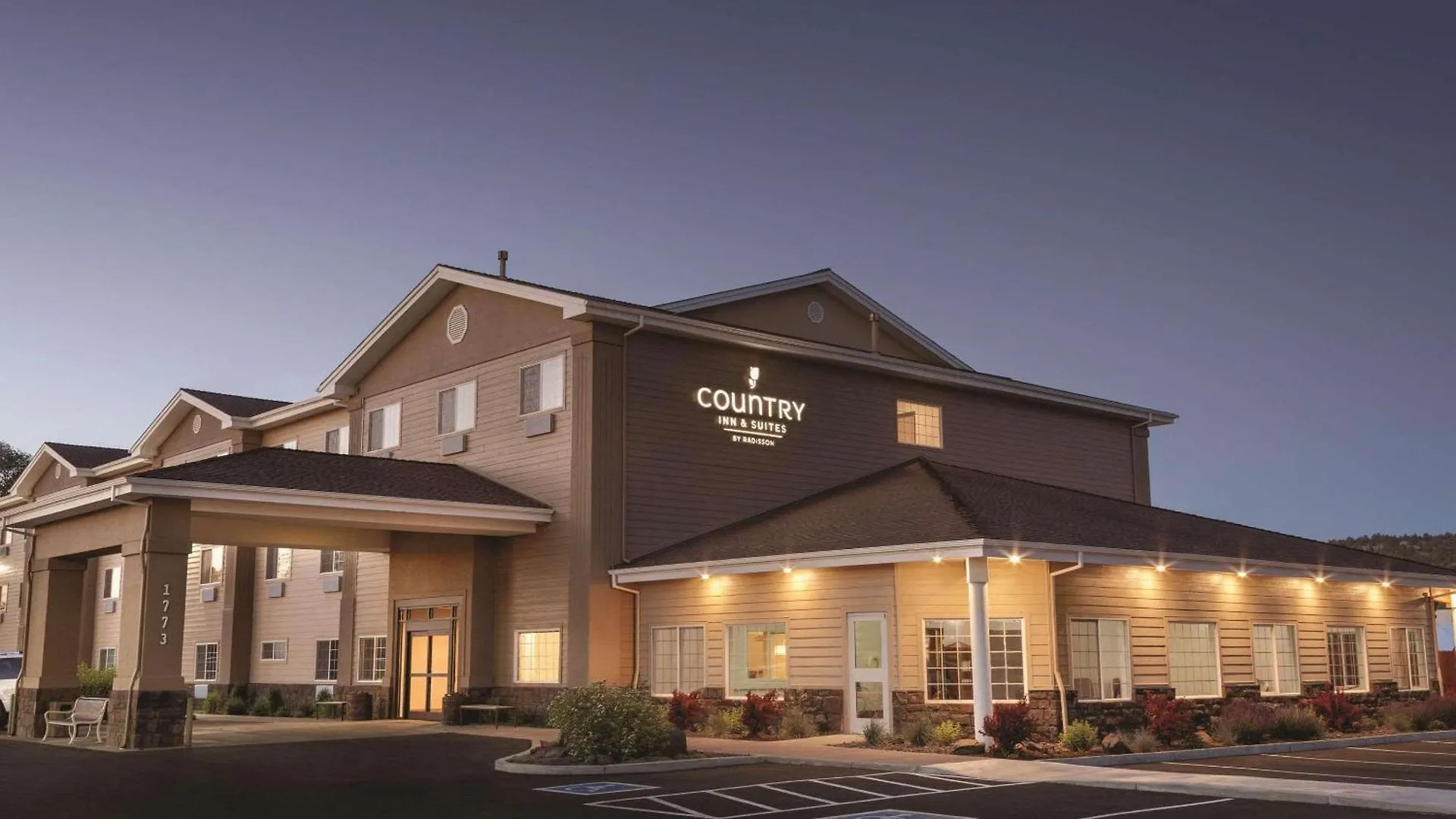
1. Country Inn & Suites By Radisson, Prineville, Or
Show on map


 Check-infrom 15:00 until 23:59Check-outuntil 12:00
Just a few rooms left at the best rate!
fromUS$ 106
-
2. Best Western Newberry Station
Show on map


 Check-infrom 14:00 until 23:59Check-outuntil 11:00
Just a few rooms left at the best rate!
fromUS$ 94
-
3. Cousin'S Country Inn
Show on map


 Check-infrom 16:00 until 23:59Check-outuntil 11:00
Hurry – almost gone at this price!
fromUS$ 99
-
4. Ashland Valley Inn
Show on map


 Check-infrom 15:00 until 23:59Check-outuntil 11:00
Hurry – almost gone at this price!
fromUS$ 81
Best Premium Stays in Oregon
These two properties offer stronger amenity packages, recent renovations, and positioning in high-traffic Oregon corridors - worth the additional cost for travelers prioritizing reliability and included extras.
-
5. Holiday Inn Express & Suites Hood River By Ihg
Show on map


 Check-infrom 16:00 until 23:59Check-outuntil 11:00
Rooms filling fast – secure the best rate!
fromUS$ 115
-
6. Hampton Inn Medford
Show on map


 Check-infrom 16:00 until 23:59Check-outuntil 12:00
Rooms filling fast – secure the best rate!
fromUS$ 110
Smart Travel & Timing Advice for Oregon Hotels
Oregon's peak travel season runs from late June through early September, when the Columbia Gorge, Southern Oregon wine country, and Central Oregon's outdoor corridors all experience their highest demand simultaneously. Booking at least 6 weeks ahead is strongly recommended for Hood River and Ashland during this window - both towns have limited hotel inventory relative to visitor demand, and last-minute availability often disappears entirely during festival weekends or major windsurfing events. Outside of peak season, September and early October offer some of the best conditions in Oregon: crowds drop by around 30%, temperatures remain mild, and harvest season opens up winery access across the Rogue and Willamette valleys. La Pine and Prineville properties see the most dramatic off-season availability, making them reliable last-minute options for Central Oregon itineraries in spring and fall when Bend itself sells out. Plan for a minimum of 3 nights to make driving distances between Oregon's regions worthwhile - one-night stops rarely justify the transit time involved.


