The Appalachian Mountains stretch over 2,000 miles across 14 states, from Georgia to Maine, making the choice of where and how to stay a genuinely strategic decision. Lodge hotels along this corridor range from ski-in alpine retreats in Vermont and New York to budget-friendly roadside stops near Tennessee's Great Smoky Mountains. This guide covers 13 lodge hotels across the Appalachian range, comparing them by location, facilities, and practical value so you can book with confidence.
What It's Like Staying in the Appalachian Mountains
Staying in the Appalachian Mountains means trading urban convenience for access to some of the most varied outdoor terrain in the eastern United States - ski slopes in the Adirondacks and Green Mountains, hiking trails in the Catskills and Blue Ridge, and river towns scattered between. Car travel is essential in almost every part of the range; public transit is limited or non-existent outside of gateway cities like Knoxville, Roanoke, or Albany. Crowds concentrate heavily around peak foliage season in October and around ski season from December through March, while spring and early summer offer quieter conditions and lower rates - in some areas around 30% lower than peak pricing.
Pros:
- Direct access to hiking, skiing, fishing, and cycling without driving into a metropolitan area
- Lodge-style accommodation is the dominant format in the region, meaning more properties are purpose-built for outdoor travelers
- Less urban noise pollution and genuinely dark skies in most mountain sub-regions
Cons:
- A personal vehicle is non-negotiable for most itineraries - rental availability at regional airports is limited
- Dining and grocery options can be sparse beyond major resort towns like Lake Placid or Stowe
- Cell coverage drops significantly in valleys and on trails, which affects navigation and communication
Why Choose Lodge Hotels in the Appalachian Mountains
Lodge hotels in the Appalachian Mountains are specifically built for the outdoor-activity traveler: they typically offer ski storage, outdoor pools, hot tubs, and proximity to trailheads or slopes that standard motels and chain hotels along the interstate do not. Price variation is substantial across the range - resort lodges near Hunter Mountain or Stowe can run several times the nightly rate of a budget lodge off I-81 in Virginia or I-75 in Tennessee, yet both categories sit within driving distance of major natural attractions. Room sizes in mountain lodges tend to be more generous than urban hotels, and many include kitchenettes or full kitchens, which matters for multi-night stays where self-catering reduces costs significantly.
Pros:
- Facilities like ski storage, hot tubs, and outdoor pools are standard features at purpose-built mountain lodges
- Many properties include free parking and free WiFi, reducing incidental costs that urban hotels often charge for
- Kitchenette-equipped rooms are common, making stays of 4 or more nights practical and cost-effective
Cons:
- Resort-area lodges near ski slopes or Olympic venues carry a premium that can feel disproportionate outside peak season
- Budget lodges off major interstates sacrifice scenery and atmosphere for price - they function as transit stops, not destination stays
- Availability at smaller lodge properties drops sharply during foliage and ski weekends, requiring booking well in advance
Practical Booking & Area Strategy
The Appalachian range divides naturally into sub-regions that each have a distinct travel rhythm. In the northern sector, Lake Placid and Stowe are the anchor resort towns - both have established Olympic heritage, strong dining scenes, and lodge properties that fill up weeks in advance during ski season and October foliage weekends. In the mid-Atlantic zone, the Catskills around Hunter, New York serve the New York City drive-market, with weekend demand peaking from December through March. In the southern Appalachians, Knoxville and the Lenoir City corridor serve as logical base towns for travelers targeting the Great Smoky Mountains National Park, which draws around 12 million visitors annually - the most visited national park in the country. Virginia's I-81 corridor through Christiansburg and Glade Spring positions travelers between Shenandoah and the Blue Ridge Highlands, with Jefferson National Forest immediately accessible for hiking and mountain biking. Booking 6 to 8 weeks ahead is advisable for any lodge stay between late September and early November or between Christmas and late February across all sub-regions.
Best Value Lodge Stays
These lodges deliver practical Appalachian access at budget-friendly rates, positioned along major interstate corridors or near mid-range outdoor destinations across Virginia, Tennessee, and New York.
-
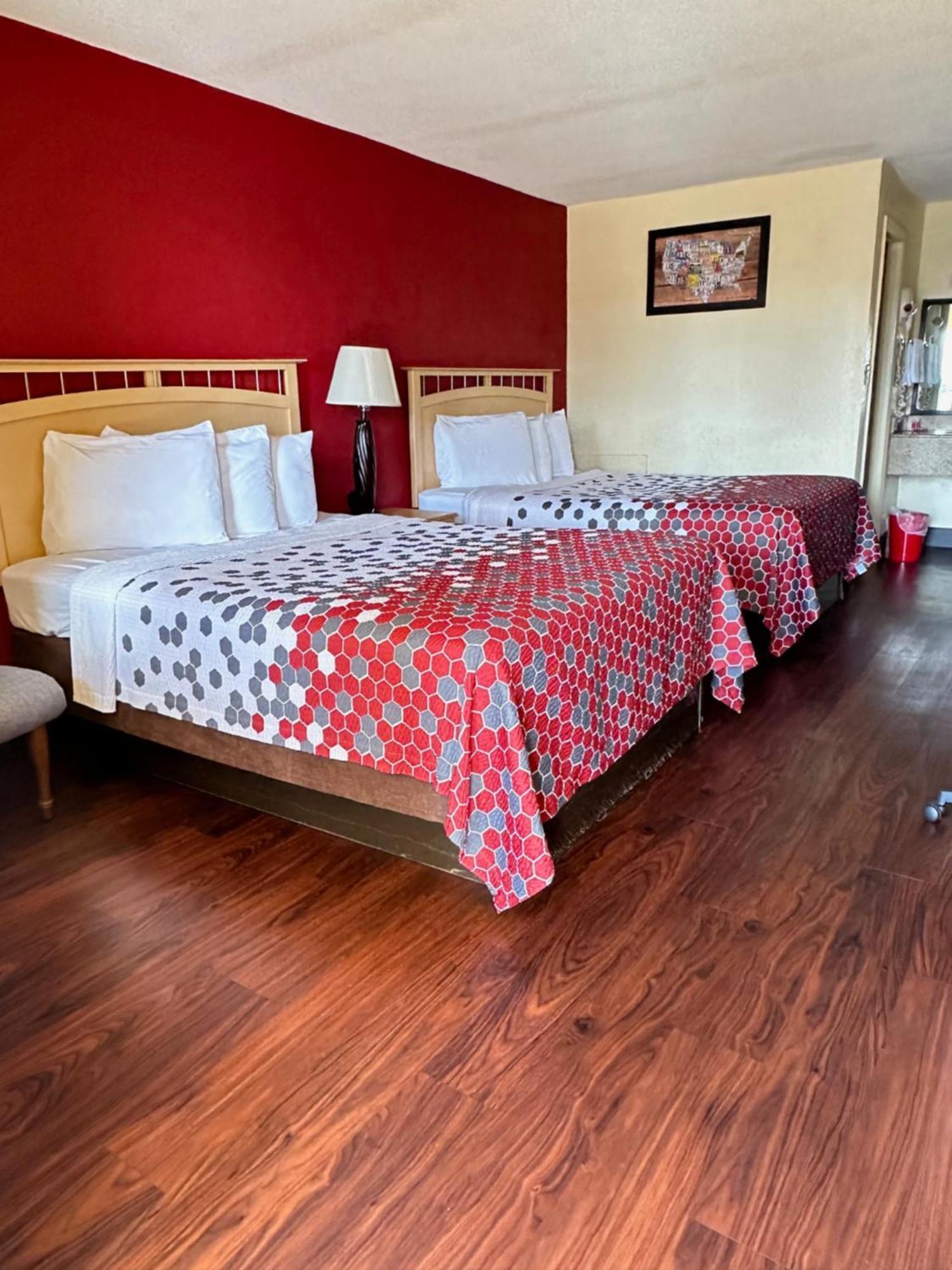
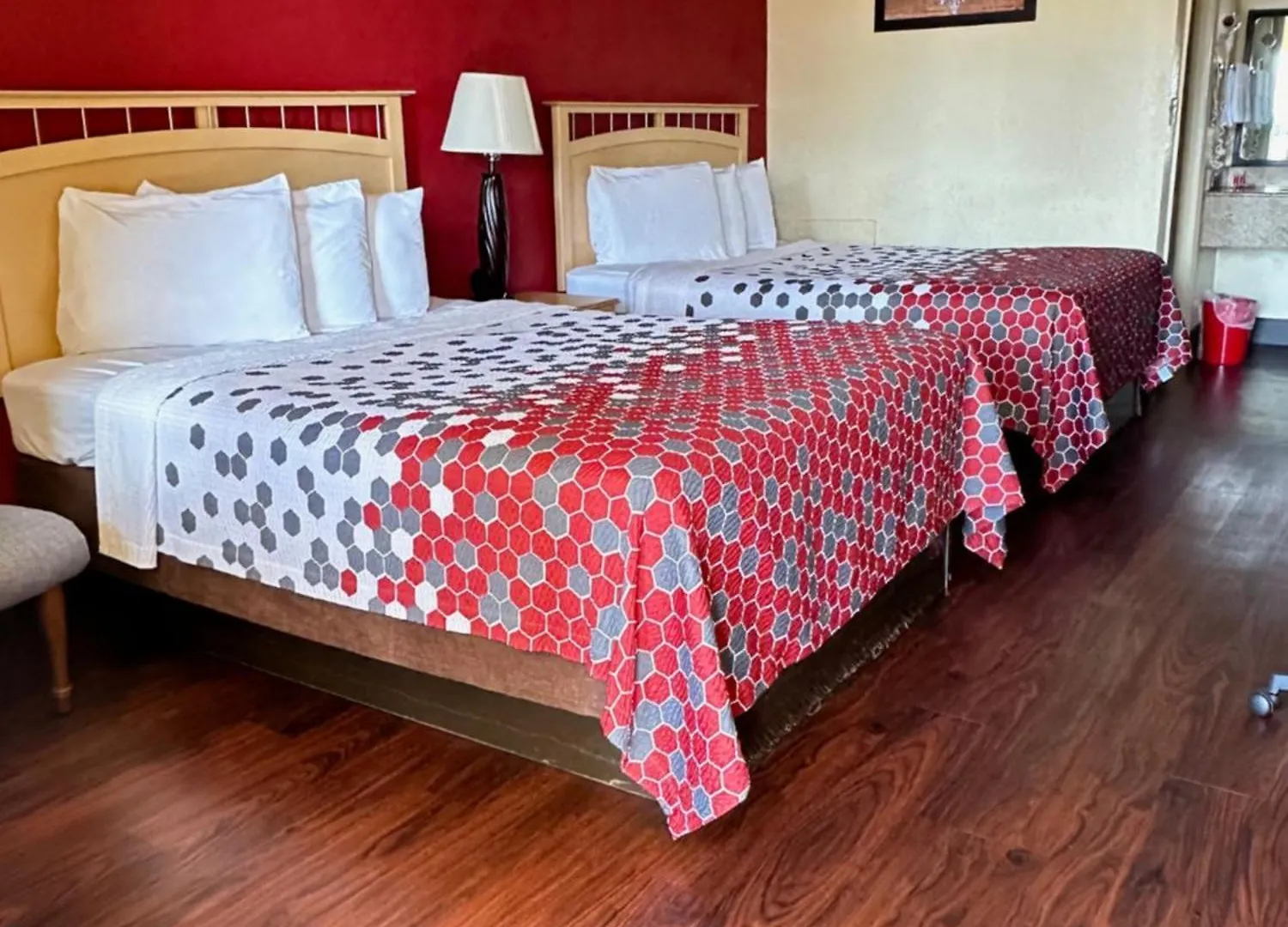
1. Econo Lodge Christiansburg-Blacksburg I-81
Show on map


Best price guarantee
fromUS$ 65
-
2. Econo Lodge Glade Springs I-81
Show on map


Just a few rooms left at the best rate!
fromUS$ 85
-
3. Econo Lodge Dayton North
Show on map


Hurry – almost gone at this price!
fromUS$ 83
-
4. Econo Lodge Lenoir City - Knoxville Area
Show on map


Hurry – almost gone at this price!
fromUS$ 94
-
5. Econo Lodge Rocky Top
Show on map


Best price guarantee
fromUS$ 62
-
6. Econo Lodge Cortland Downtown
Show on map


Best price guarantee
fromUS$ 93
Best Premium Lodge Stays
These lodges offer resort-grade amenities, scenic mountain settings, and purpose-built outdoor recreation facilities across the Catskills, Adirondacks, Green Mountains, and Southern Appalachians - suited for travelers prioritizing experience over economy.
-
7. Kaatskill Mountain Club & Condos By Vail Resorts
Show on map


Rooms filling fast – secure the best rate!
fromUS$ 209
-
8. The Devlin
Show on map


Just a few rooms left at the best rate!
fromUS$ 244
-
9. Town House Lodge
Show on map


Just a few rooms left at the best rate!
fromUS$ 124
-
10. Innsbruck Inn At Stowe
Show on map


Best price guarantee
fromUS$ 208
-
11. Adirondack Lodge Old Forge
Show on map


Best price guarantee
fromUS$ 79
-
12. Long Mountain Lodge
Show on map


Rooms filling fast – secure the best rate!
fromUS$ 169
-
13. The Copperhead Lodge & Resort
Show on map


Best price guarantee
- Show on map
Best price guarantee
Smart Travel & Timing Advice
Timing a lodge stay in the Appalachian Mountains requires awareness of three distinct demand peaks. Foliage season - late September through mid-October - is the single highest-demand period across the entire range, from Georgia to Vermont; lodge availability at smaller properties can disappear entirely within days of peak color forecasts being published. Ski season drives a second demand spike from late December through February across mountain resorts in New York and Vermont - Hunter Mountain, Stowe, and Mount Snow all experience weekend sellouts throughout this window. The quietest and often cheapest window falls between mid-March and late May, when ski season ends and foliage has not yet begun; rates at even resort lodges can drop significantly during this period. A stay of 3 or more nights makes the most practical sense given the driving distances involved - most Appalachian destinations are not efficiently visited in a single overnight. For peak foliage and ski weekends, booking at least 8 weeks in advance is advisable at any lodge with fewer than 30 rooms. Last-minute availability is more realistic at the I-81 and I-75 corridor lodges in Virginia and Tennessee, which cater to drive-through travelers rather than advance-planning resort visitors.